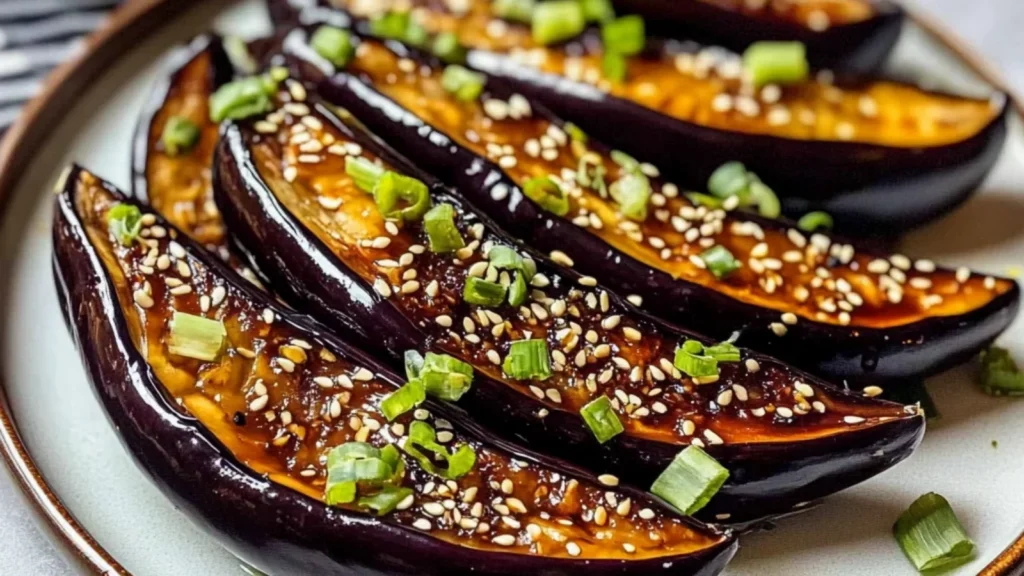
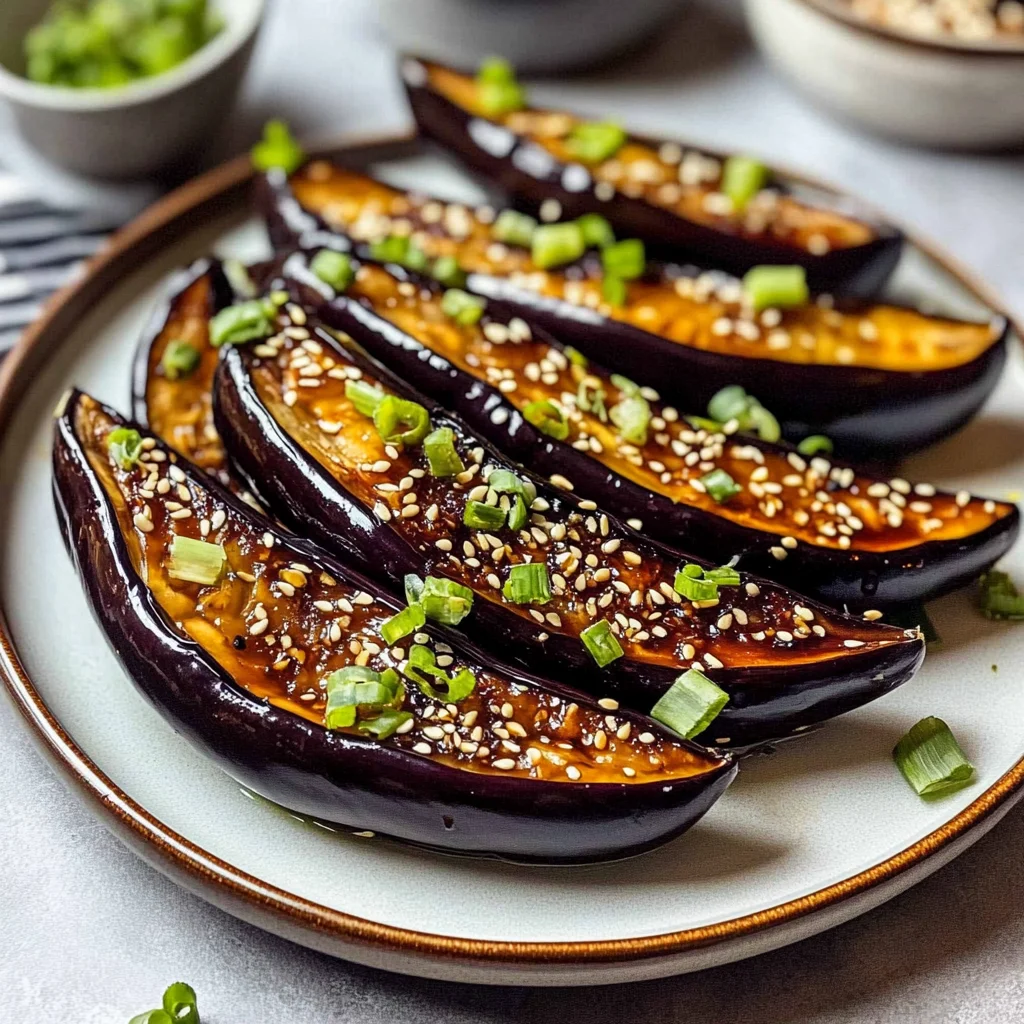
japanese eggplant recipe: Savory Stir-Fry Adventure
Picture a vibrant plate filled with tender, glossy Japanese eggplant, its silky texture perfectly complementing the crunch of bell peppers. The tantalizing aroma of savory soy sauce wafts through the air, promising a flavor explosion that makes your mouth water just thinking about it. This Japanese eggplant recipe is not just a dish; it’s an invitation to embark on a culinary adventure that dances on your taste buds.
I still remember the first time I tasted this delightful stir-fry at a friend’s dinner party, where laughter mingled with the intoxicating scents wafting from the kitchen. It instantly became my go-to dish for gatherings and cozy nights in, making every occasion feel special. As you dive into this recipe, prepare for an amazing flavor experience that will have everyone coming back for seconds!
Why Is japanese eggplant recipe So Irresistibly Good?
Incredibly tender Japanese eggplant brings a unique, creamy texture that elevates every bite! Vibrant bell peppers add a delightful crunch and sweetness, balancing the savory glaze. Fresh garlic and ginger infuse each mouthful with aromatic warmth. Plus, this stir-fry is a time-saver, ready in just 30 minutes! Perfect for busy weeknights or impressing guests, it’s a versatile dish that pairs wonderfully with rice or noodles.
japanese eggplant recipe Ingredients
For the Vegetables
2 medium Japanese eggplants (sliced into thin rounds) – These tender eggplants absorb flavors beautifully, making them perfect for stir-fry.
1 medium red bell pepper (sliced) – Adds a sweet crunch and vibrant color to your dish.
1 medium yellow bell pepper (sliced) – Offers a mild sweetness that complements the other vegetables.
2 cloves garlic (minced) – Brings an aromatic depth and enhances the overall flavor profile.
1 inch ginger (grated) – Provides a zesty kick that pairs wonderfully with the soy sauce glaze.
2 tablespoons green onions (chopped) – Garnishes the dish with a fresh, oniony brightness.
For the Sauce
3 tablespoons soy sauce (low sodium preferred) – This savory base ties all the ingredients together in this delicious japanese eggplant recipe.
1 tablespoon sesame oil – Introduces a nutty flavor that elevates the overall taste of your stir-fry.
1 tablespoon rice vinegar – Balances the richness with a touch of acidity for a well-rounded flavor.
1 teaspoon sugar – Helps to enhance the natural sweetness of the vegetables while balancing salty and savory notes.
Step-by-Step japanese eggplant recipe
1.Slice the Japanese eggplants and bell peppers. Begin by cutting 2 medium Japanese eggplants into thin rounds alongside slicing 1 medium red bell pepper and 1 medium yellow bell pepper. This will create a colorful base for your stir-fry!
2.Mix the Sauce. In a small bowl, combine 3 tablespoons of low sodium soy sauce, 1 tablespoon sesame oil, 1 tablespoon rice vinegar, and 1 teaspoon sugar. Whisk until it’s well blended and set aside to enhance the flavors.
3.Heat a wok over medium-high heat. Add a little oil and stir-fry 2 cloves of minced garlic and 1 inch of grated ginger for about 30 seconds until fragrant. The aroma will fill your kitchen, promising deliciousness ahead!
4.Add the sliced eggplants and bell peppers to the wok. Stir-fry for about 5-7 minutes until they become tender, vibrant, and slightly caramelized—perfectly cooked while still retaining some crunch.
5.Pour the sauce over the vegetables in the wok. Stir well to coat everything evenly, allowing it to cook for an additional 2-3 minutes until the sauce thickens and glazes the veggies beautifully.
6.Garnish with chopped green onions before serving hot. Sprinkle 2 tablespoons of green onions on top for added freshness and color, making your dish visually appealing!
Optional: Drizzle with extra sesame oil for an added depth of flavor.
Exact quantities are listed in the recipe card below.
Tips for the Best japanese eggplant recipe
Eggplant Preparation: Be sure to slice the Japanese eggplants thinly; this ensures they cook evenly and absorb the delicious flavors of the sauce.
Bell Pepper Variety: Use a combination of red and yellow bell peppers for a vibrant color contrast and sweeter flavor that complements the dish beautifully.
Garlic & Ginger Timing: Stir-fry garlic and ginger quickly to avoid burning; they should be fragrant but not browned, which can create bitterness in your japanese eggplant recipe.
Sauce Consistency: Make sure to mix the sauce ingredients well before adding them to the vegetables; this prevents uneven flavor distribution throughout your stir-fry.
Serving Fresh: Serve this dish immediately after cooking for the best texture; reheating can cause the vegetables to become mushy.
How to Store and Freeze japanese eggplant recipe
Fridge: Store leftover stir-fry in an airtight container for up to 3 days to maintain freshness and flavor.
Freezer: For longer storage, freeze the stir-fry in a freezer-safe container for up to 2 months; thaw overnight in the fridge before reheating.
Reheating: Gently reheat on the stovetop over medium heat, adding a splash of water or soy sauce to revive moisture, ensuring your japanese eggplant recipe stays delicious.
Prepped Vegetables: Keep sliced eggplants and peppers in a sealed bag in the fridge for up to 2 days before cooking for optimal freshness.
japanese eggplant recipe Your Way
Feel free to make this dish your own by experimenting with different ingredients and flavors!
Spicy Kick: Add sliced jalapeños or red pepper flakes for a zesty heat that will elevate your stir-fry. The spice pairs beautifully with the sweetness of the bell peppers and the savory notes of the sauce.
Crunchy Addition: Toss in some snap peas or water chestnuts for an extra crunch. Their crisp texture contrasts nicely with the tender eggplant, making each bite a delightful experience.
Herb Infusion: Incorporate fresh basil or cilantro for a burst of aromatic flavor. These herbs bring freshness that complements the rich soy sauce glaze perfectly.
Protein Boost: Add tofu, chicken, or shrimp to transform this side dish into a satisfying main course. Pairing protein with the vegetables creates a well-rounded meal that’s both nutritious and filling.
Umami Upgrade: Swap soy sauce for tamari or coconut aminos for a gluten-free option without sacrificing flavor. This change provides a slightly sweeter taste that enhances the overall dish.
Citrus Twist: Squeeze in some lime juice just before serving for an invigorating brightness. The citrus notes will enhance the flavors and add a refreshing zing to your stir-fry.
Sweet Surprise: Include baby corn or diced pineapple for a touch of sweetness that balances the savory elements. These additions can make your dish feel more tropical and vibrant!
Make Ahead Options
This Japanese eggplant recipe is perfect for meal prep, allowing you to enjoy a flavorful and healthy stir-fry even on the busiest days. You can slice the Japanese eggplants and bell peppers up to 24 hours in advance, while mincing the garlic and grating the ginger can be done a day ahead as well. Additionally, prepare the sauce by mixing together the soy sauce, sesame oil, rice vinegar, and sugar; this can be stored in the fridge for up to 3 days. When you’re ready to serve, simply heat a wok, stir-fry the garlic and ginger for about 30 seconds, then add your prepped vegetables and sauce. This way, you save time without compromising on taste!
japanese eggplant recipe Questions Answered
What type of Japanese eggplant should I use for this recipe?
Look for medium-sized Japanese eggplants that are firm to the touch and have a shiny, smooth skin. The smaller varieties tend to be sweeter and less bitter, which makes them perfect for stir-frying. If you can’t find Japanese eggplants, you can substitute with regular eggplants, but they may require a bit more cooking time.
How should I store leftovers from this stir-fry?
If you have any leftovers, allow the stir-fry to cool completely before transferring it to an airtight container. It can be stored in the refrigerator for up to 3 days. Just reheat it gently on the stovetop or in the microwave until warmed through, aiming for about 2-3 minutes in a microwave.
Can I freeze this Japanese eggplant stir-fry?
While it’s best enjoyed fresh, you can freeze the stir-fry if needed. Place it in a freezer-safe container and store it for up to 2 months. When you’re ready to enjoy it again, thaw it overnight in the fridge and reheat on medium heat until hot, which usually takes about 5-7 minutes.
What if my vegetables are overcooked during stir-frying?
Overcooking is a common issue when stir-frying; aim for vibrant colors and tender-crisp texture! If your vegetables seem mushy, next time try increasing the heat slightly and reducing cooking time. Keep an eye on them after adding the eggplants and bell peppers—about 5-7 minutes should do the trick!
How can I make this dish vegetarian or vegan-friendly?
This recipe is already vegetarian, but to ensure it’s vegan-friendly, check that your soy sauce is free from any animal-based additives. Additionally, consider using agave syrup instead of sugar for a plant-based sweetener.
What is an ideal serving size for this stir-fry?
This delicious Japanese eggplant recipe serves about 4 people as a main dish or can serve up to 6 as a side dish alongside rice or noodles. Each serving has approximately 150 calories, making it a healthy choice packed with flavor!
Japanese Eggplant Stir-Fry
A delicious and healthy stir-fry featuring tender Japanese eggplant, bell peppers, and a savory soy sauce glaze.
Aminaa Turner is a passionate home cook and recipe developer who loves creating simple, delicious dishes that bring people together. Through RecipesByAminaa, she shares easy everyday meals, comforting dinners, and indulgent desserts made with fresh, wholesome ingredients to inspire you in the kitchen.
Get Top 5 Lunch Recipes
Our Top 5 Dinner Recipes feature the most delicious and satisfying meals that are simple to make and impossible to forget.
At Recipe Blog Tips, we believe that cooking should be fun, simple, and full of flavor. Our recipes are made for everyone, from beginners to seasoned cooks using ingredients you can easily find at home.